
Free eBook
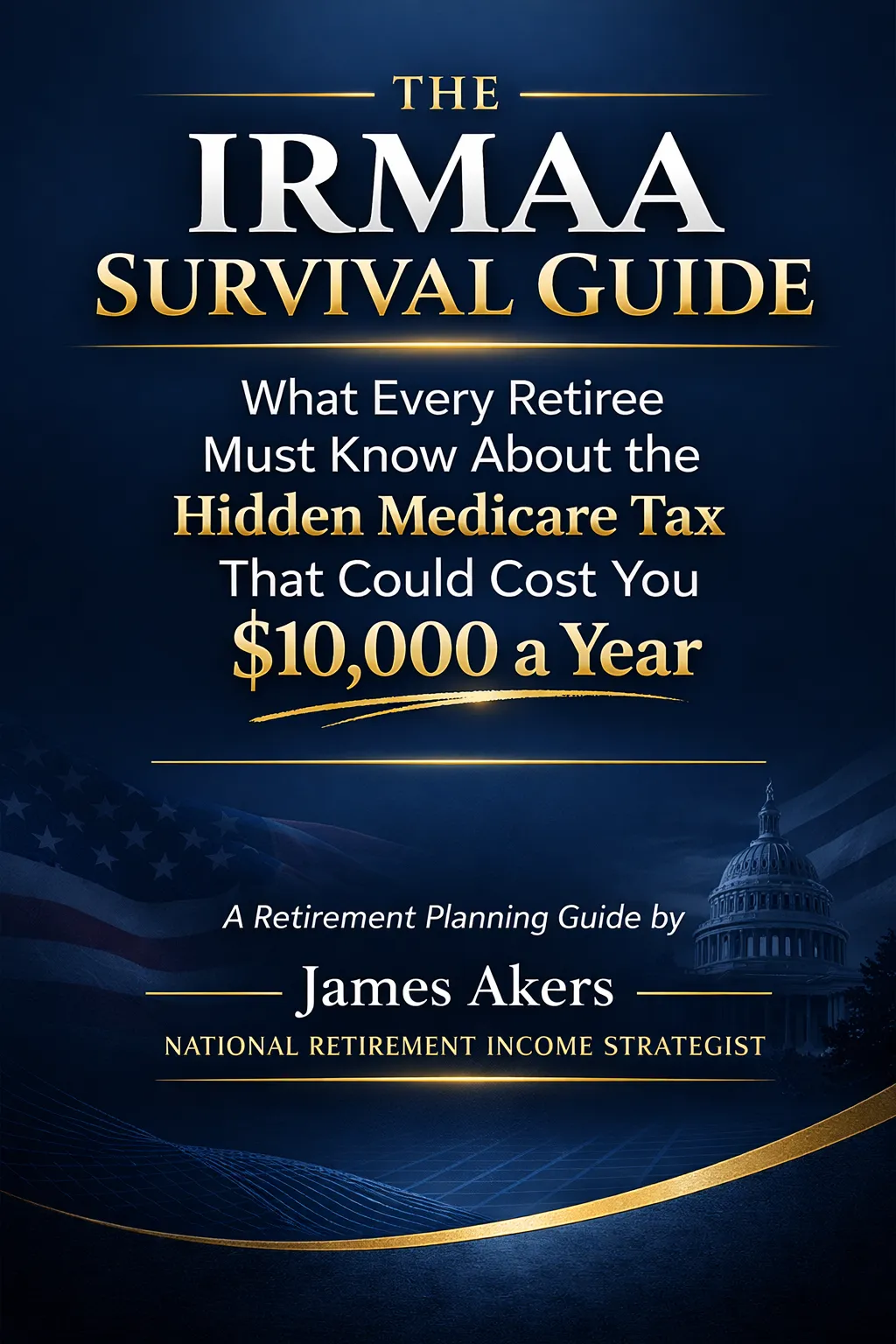
The IRMAA Survival Guide
A straightforward guide to understanding how your retirement income can affect what you pay for Medicare.
Many retirees are surprised to discover that Medicare premiums aren't necessarily the same for everyone.
If your income exceeds certain thresholds, you may be required to pay significantly more for Medicare Part B and Part D because of something called the Income-Related Monthly Adjustment Amount — or IRMAA.
What makes IRMAA especially confusing is that the income Medicare uses to determine your premiums generally comes from a tax return filed two years earlier.
Decisions involving retirement distributions, Roth conversions, capital gains, pensions, and other sources of income can potentially affect what you'll pay for Medicare later.
Our complimentary guide, The IRMAA Survival Guide, explains how IRMAA works, what types of income can trigger higher Medicare premiums, how the income thresholds work, and some of the planning strategies you may want to consider to help manage your retirement income — and potentially reduce unnecessary Medicare costs.

© Safe Retirement Academy. 2026. All Rights Reserved.